A healthy central heating system should operate with nothing more than a gentle, consistent hum as the internal pump circulates water volume across your property. Discovering that your system lets out a sudden, violent, or heavy metallic rattling sound the exact second your heating loops activate is an immediate cause for concern.
Ignoring a loud bang or constant metallic knocking isn’t just bad for your peace of mind; it is a warning sign that something inside the machine is experiencing localized overheating or structural restriction. If left unaddressed, these violent pressure changes can warp internal pipework junctions, crack expensive cast iron components, and cause complete system breakdowns.
Traced below are the most common mechanical causes behind this operational crisis.
1. The Phenomenon of Boiler Kettling (Scale and Sludge Buildup)
The single most frequent cause behind an aggressive banging noise is a process known technically as “kettling.” This sound mimics the violent bubbling and whistling noise a kitchen kettle makes right before it reaches a rolling boil, but on a much louder scale inside your walls.
How Kettling Causes the Bang
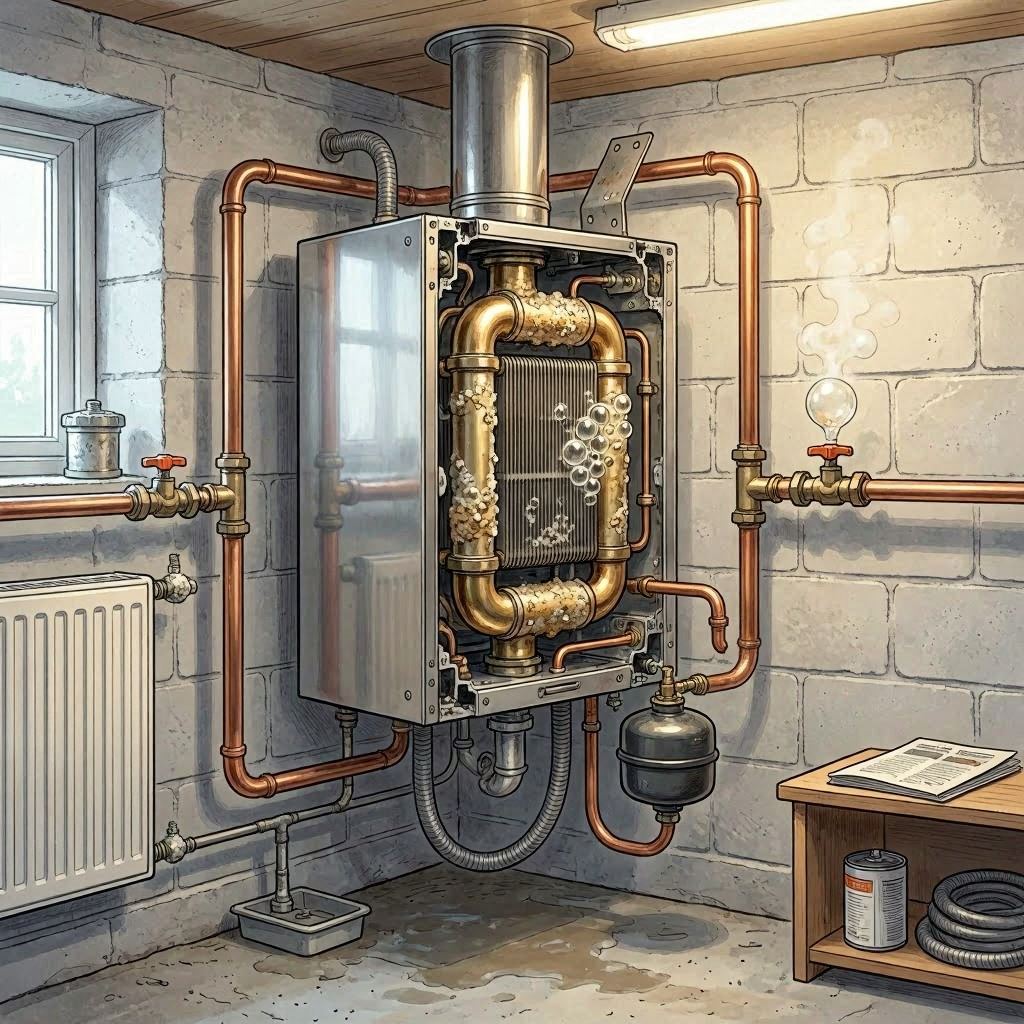
Inside the main chassis sits the primary heat exchanger, where gas flames apply intense heat directly to the copper or aluminum waterways.
- Over years of hard service, hard water minerals (limescale) and black iron oxide sludge settle directly on the flat metal plates inside the heat cell.
- This debris creates an insulating blanket over the water channels.
- When the burner fires up at maximum load, the water trapped underneath this layer of sludge instantly turns into superheated steam bubbles.
- As these steam bubbles escape past the sludge barrier into the cooler surrounding system water, they violently collapse (implode).
2. A Seized or Failing Circulation Pump
If the water inside your system cannot move away from the roaring gas flames fast enough, it will reach boiling point within seconds, leading to immediate thermal shock bangs.
Stagnant Water Overheating
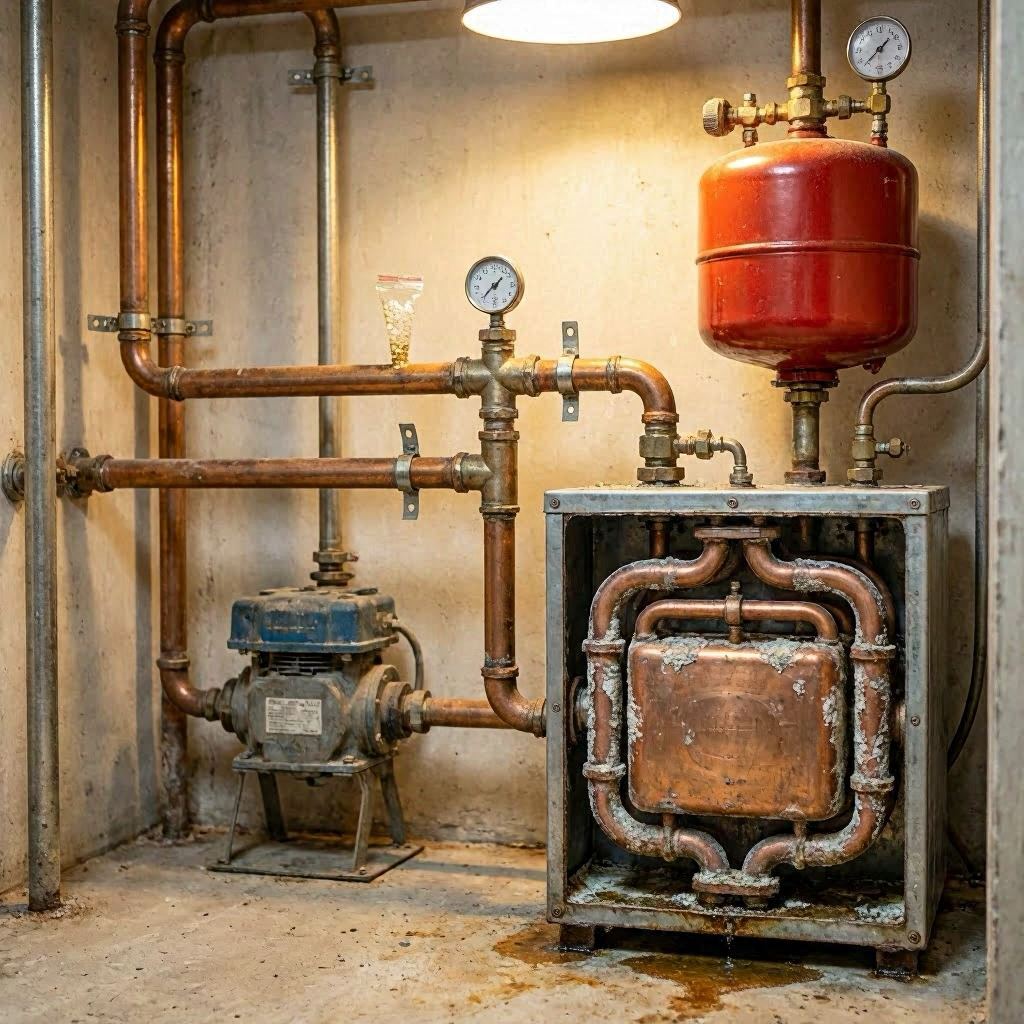
The internal circulation pump is tasked with physically moving water across the heating loop. If the pump motor bearings fail, or if the internal impeller wheel becomes jammed with radiator debris, the water inside the machine sits completely still.
When the gas burner ignites, it rapidly heats this small, stagnant pocket of fluid to over 95°C in a matter of moments. The high-limit safety thermostat will eventually detect this runaway heat spike and shut down the gas line, but not before the boiling fluid lets out a series of heavy, metallic knocking sounds due to flash-steaming. When analyzing the process of repairing a boiler that experiences this rapid overheating pattern, releasing a seized pump or changing the motor head is the primary tactical fix.
3. Physical Pipework Expansion and Restricted Brackets
Sometimes, the heavy knocking sound isn’t originating from inside the appliance casing at all; instead, it is happening directly beneath your floorboards right as the warm water begins to migrate across the house.
The Structural Clearance Problem: Copper pipes expand physically in length and diameter when heating water climbs from room temperature up to 70°C. If the installer ran these pipes through tight holes bored in wooden joists, or clamped them too tightly with rigid plastic brackets, the expanding copper has no room to slide smoothly. It binds against the wood, building structural tension until it suddenly shifts, letting out a sharp, loud metallic bang that echoes through your floorboards.
Technical Mapping: Identifying the Type of Banging Noise
To help you categorize where the structural failure lies based on the timing and tone of the sound, analyze the technical troubleshooting table below:
| Audible Noise Pattern | Exact Timing of Sound | Primary Source Component | Immediate Root Cause |
| Loud, structural metallic bang or series of sharp cracks. | Within 10 to 30 seconds of the burner igniting. | Primary Heat Exchanger Cell. | Heavy internal limescale insulation layer (Kettling). |
| Rattling, vibrating knock that slowly intensifies. | Runs continuously while the appliance attempts to fire. | Internal Circulation Pump. | Worn motor bearings or a physically broken impeller blade. |
| Dull, rhythmic thumping sound underneath the floor. | Occurs 2 to 5 minutes after the unit has started up smoothly. | Joist crossings / Copper pipe runs. | Inadequate structural clearance for thermal expansion. |
Step-by-Step Diagnostic Sequence for Homeowners
If your central heating system is making alarming noises, follow this logical process to capture diagnostic clues before calling an engineer.
The Method
1.Check the Gauge System Pressure:Hydraulic Verification.
Walk over to the front control panel and look at the physical or digital dial. Ensure the system pressure isn’t resting too low (below 0.5 bar) or too high (above 2.5 bar). A system severely starved of water volume will suffer from massive steam pocket generation almost instantly. Top up to 1.2 bar if necessary.
2.Execute the Radiator Bleed Assessment:Thermal Isolation.
Turn off the system, allow it to cool, and check if your top floor radiators contain massive trapped air locks. Use a radiator key to vent any air. If a large pocket of air is trapped in the network, it can stall the water flow entirely, causing the boiler to overheat and let out violent knocks when it tries to fire up.
3.Track the Noise Origin Under Load:Location Mapping.
Turn the heating back on at your wall thermostat and stand directly next to the boiler. Note down whether the bang occurs instantly inside the white casing, or if it happens down in the floors a few moments later. This tells you definitively whether you are dealing with an internal appliance fault or an external plumbing installation issue.
When Professional Boiler Repair is Mandatory
While checking your bar gauge pressure or bleeding air from a radiator panel are perfectly safe homeowner tasks, repairing a boiler that is suffering from advanced internal kettling or a failed mechanical pump requires specialized equipment and certified training.
If the loud banging noise is caused by heavy internal limescale or black magnetite sludge, a qualified technician must attach a high-volume power flushing machine to your system. This process pumps specialized chemical acids through your heat cell to break down and wash away the hardened mineral blockages safely. Trying to open the internal combustion casing yourself or tampering with internal components poses a major risk of disturbing gas joint seals or creating high-pressure leaks that can permanently destroy the main electronic circuit board.
A boiler that lets out a loud banging noise the moment your heating turns on is screaming for structural or hydraulic relief. Whether it is a sludged-up heat exchanger causing localized water vaporization (kettling), a dead circulation pump leaving water to boil inside the chassis, or expanding copper pipes binding tightly against wooden floor joists, running a systematic check will uncover the bottleneck. Stabilize your system pressure first, make sure your radiators aren’t full of trapped air, and bring in a registered professional to execute a deep chemical flush before internal thermal stress cracks your heat cell completely.