A central heating system should run with a muted, predictable mechanical murmur. When that gentle operational hum suddenly transforms into a deep, low-frequency drone or an aggressive physical rattle, it indicates a structural resonance issue inside the appliance. A boiler vibrating and making a loud humming noise is a clear diagnostic signal that a high-speed rotational component has fallen out of balance, or that gas and water velocities are experiencing internal restriction.
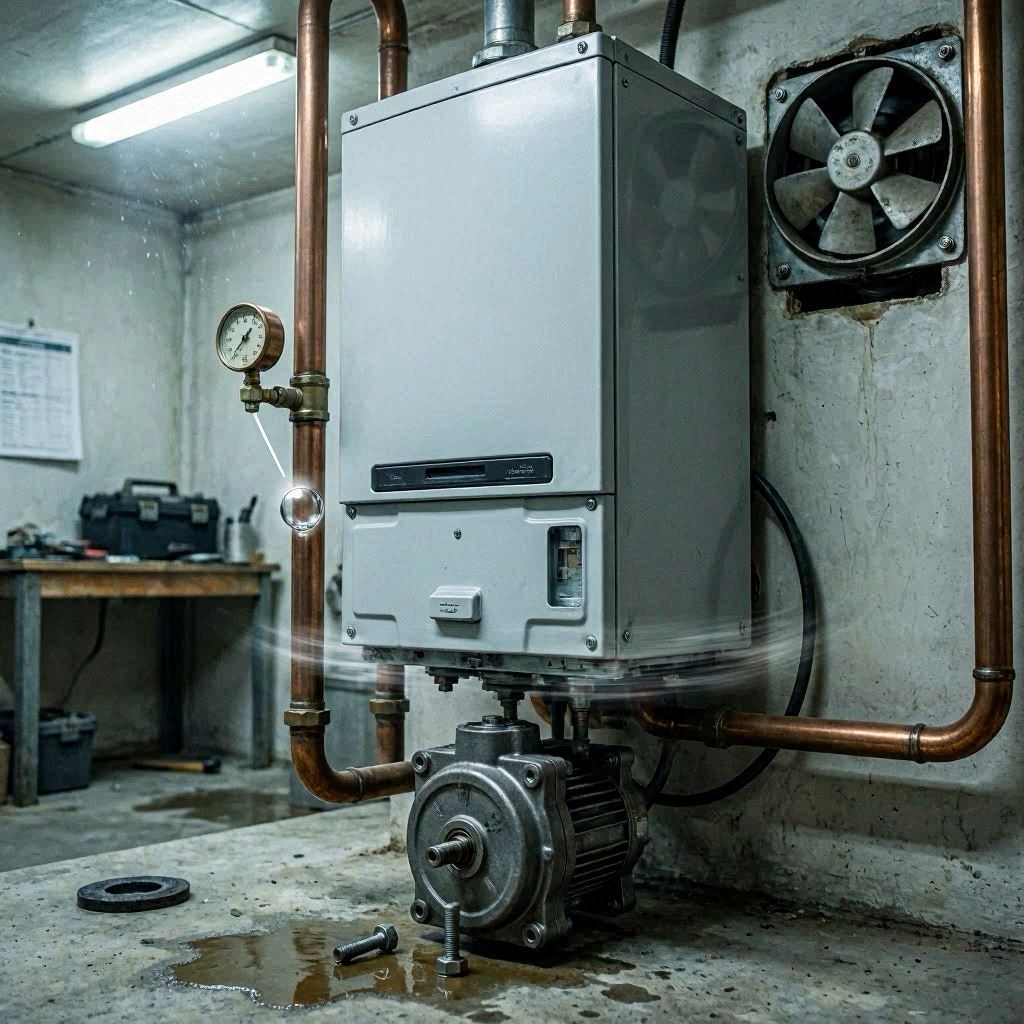
Ignoring a vibrating casing or a loud hum isn’t just an auditory nuisance; constant physical vibration behaves like a micro-hammer, slowly loosening internal gas joints, fatiguing electrical solder connections, and stressing copper pipework unions.
1. The High-Speed Fan: Bearing Wear and Debris Build-Up
The most common source of high-frequency vibration and loud humming inside a modern room-sealed boiler is the extraction fan. The fan sits at the very top of the internal combustion chamber, pulling fresh air in for combustion and forcing toxic flue gases out of your external wall terminal.
How the Fan Generates a Hum
The fan impeller wheel spins at incredibly high revolutions per minute (RPM). Over years of constant pulling action, microscopic soot particles, dust, and debris settle unevenly on the individual blades of the fan wheel.
- This uneven weight distribution throws the fan assembly out of its dynamic balance.
- As the motor spins, this imbalance translates into a rapid, aggressive wobble.
- The wobble travels through the fan mounting brackets, hitting the large metal outer chassis panels and creating a loud, rhythmic humming or buzzing noise that echoes through your walls.
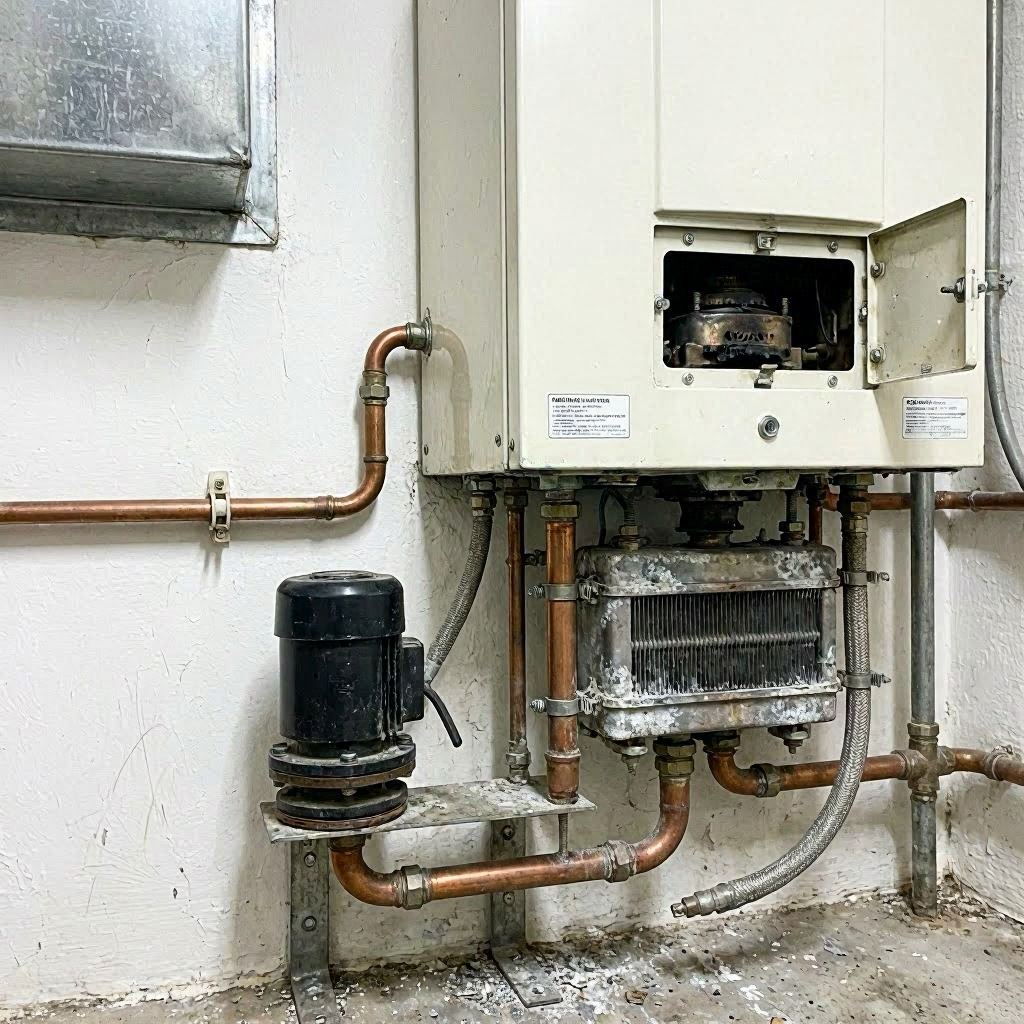
2. The Circulation Pump: Speed Calibration and Seizure Resistance
The internal water circulation pump is another heavy-duty mechanical component capable of generating deep harmonic vibrations throughout your home’s pipework network.
The Velocity Hum
Modern circulation pumps feature adjustable speed settings (typically Speeds 1, 2, and 3) to accommodate houses of different sizes. If a previous installer left the pump set to maximum speed (Speed 3) on a small property with only four or five radiators, the water velocity passing through the narrow internal pipework becomes too high. This high-speed restriction creates hydraulic turbulence, leading to a deep, continuous humming noise that vibrates through the radiators.
Furthermore, if the central bearing inside the pump wears away or gets choked with dark magnetic iron oxide sludge, the internal rotor shaft will spin off-axis, creating a heavy physical vibration that you can easily feel simply by placing your hand flat against the outside of the casing.
3. Gas Valve Misalignment: The Whistling Burner Effect
A less common but technically critical cause of a loud humming or foghorn-like drone is an incorrect gas-to-air combustion mixture at the main burner tray.
The Combustion Resonance Loop: If the gas valve is out of calibration, or if the air intake pipe is partially restricted, the mixture of gas fuel and oxygen passing through the tiny flame ports becomes unstable. This instability creates a rapid micro-flickering of the flame, establishing a sonic resonance frequency inside the sealed heat cell. This acoustic resonance acts exactly like a giant whistle or foghorn, letting out a heavy, vibrating drone that hums through the entire chassis framework.
When it comes to repairing a boiler experiencing combustion resonance, adjusting the gas valve settings requires specialized gas diagnostic equipment that can measure the exact carbon dioxide percentage in the flue exhaust.
Technical Troubleshooting Matrix: Vibration and Noise Profiles
To help you categorize which internal mechanical component is causing the structural resonance, use the noise diagnostic table below:
| Auditory Vibration Profile | Operational Timing of Noise | Primary Target Component | Root Mechanical Cause |
|---|---|---|---|
| High-frequency buzz accompanied by a loose outer panel rattle. | Kicks on immediately before the ignition spark occurs. | Flue Extraction Fan. | Soot accumulation on blades or failed fan motor bearings. |
| Deep, heavy low-frequency drone that vibrates through floorboards. | Runs continuously as long as the heating is turned on. | Internal Circulation Pump. | Pump speed set too high or internal rotor spinning off-axis. |
| Loud, harmonic foghorn hum or deep acoustic drone. | Occurs strictly when the gas burner flame ignites fully. | Gas Valve / Burner Tray. | Unstable gas-to-air ratio causing localized flame resonance. |
Step-by-Step Diagnostic Sequence for Homeowners
If your central heating system is vibrating loudly, follow this manual validation sequence to isolate the cause.
The Method
1
Execute the Physical Casing Pressure Test
Panel Isolation
1.Execute the Physical Casing Pressure Test:Panel Isolation.
While the boiler is actively making the loud humming noise, walk up to the unit and place your flat palms firmly against the front white metal casing panel. Apply steady, gentle pressure. If the hum instantly stops or drops significantly in volume, your internal components are structurally sound, and the noise is simply an outer panel vibration caused by loose casing clips or worn rubber dampening pads.
2
Track the Pre-Ignition Noise Window
Timing Check
2.Track the Pre-Ignition Noise Window:Timing Check.
Turn your wall thermostat completely down, wait for the unit to clear, then turn it back up. Watch the boiler front panel. If the loud hum starts the exact second the machine wakes up—but before you see the flame icon or hear the gas ignite—the fault lies exclusively with your flue extraction fan, as it is the only component running during this pre-purge phase.
3
Inspect the Thermostatic Radiator Valves
Flow Adjustment
3.Inspect the Thermostatic Radiator Valves:Flow Adjustment.
Walk through your home and ensure that at least two or three of your thermostatic radiator valves (TRVs) are turned completely open to maximum settings. If too many TRVs are closed across the house, the circulation pump tries to push water against a closed loop, building high hydraulic resistance that forces the pump motor to vibrate and hum under extreme load.
When Professional Boiler Repair is Mandatory
While securing a loose external casing screw or opening up your radiator valves are completely safe DIY tasks, the actual mechanical process of repairing a boiler that is suffering from a structurally unbalanced fan, a failing pump, or a miscalibrated gas line requires certified professional intervention.
If your fan needs replacement or manual cleaning, an engineer must safely dismantle the sealed room-combustion chamber panel, detach the high-voltage electrical connections, and inspect the internal seals. Attempting to manage internal components without a professional flue gas analyzer carries a severe risk of introducing carbon monoxide leaks into your living spaces or permanently damaging the delicate electronics on the primary PCB. A qualified, registered engineer possesses the analytical tools needed to balance the components and restore smooth, quiet operation safely.
A boiler that vibrates and hums loudly is a machine dealing with rotational imbalance or fluid restriction. Whether it is a dirty extraction fan blade wobbling at high speeds, an over-accelerated circulation pump pushing water against closed radiator valves, or an out-of-tune gas valve creating an acoustic whistle inside the combustion chamber, identifying the exact timing of the noise will guide you to the correct component. Secure your casing panels first and verify system flow, then call in a registered technician to balance the internal mechanics before structural vibration causes a major system breakdown.