There is a quiet rhythm to a healthy home in the winter: the low hum of the heating system kicking on, a sustained period of warmth radiating through the rooms, and then a peaceful shutoff once the perfect temperature is reached.
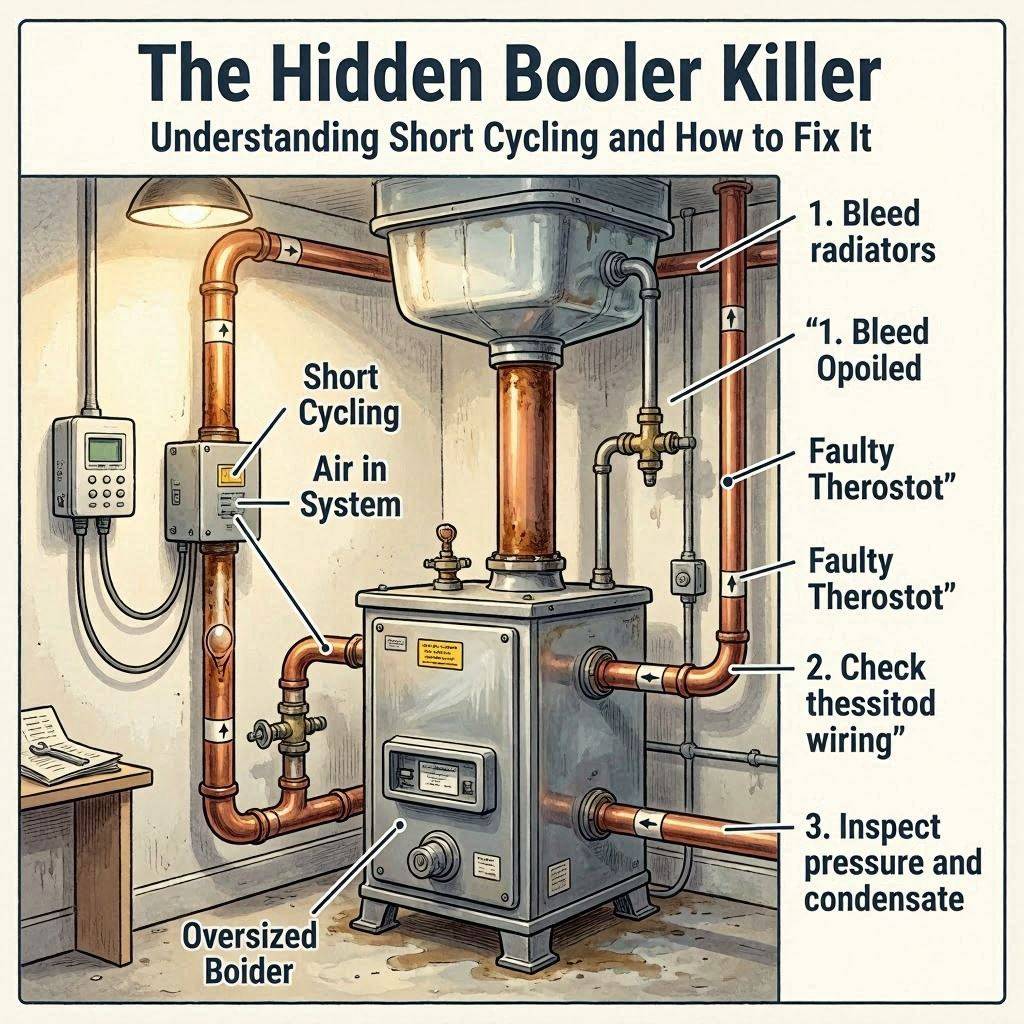
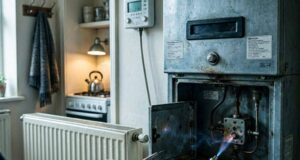
But what happens when that rhythm breaks? What if your boiler turns on, fires up for just two or three minutes, abruptly shuts down, and then repeats the whole exhausting process ten minutes later?
In the heating industry, this phenomenon is known as short cycling. It is the mechanical equivalent of driving your car in stop-and-go gridlock traffic for hours on end. Not only does it send your energy bills skyrocketing, but it also puts immense stress on your system’s internal components. If left unchecked, you’ll find yourself desperately searching for professional services to handle repairing a boiler much sooner than you ever anticipated.
Let’s dive deep into why your boiler is trapped in this frustrating loop, what it’s costing you, and how you can break the cycle.
What Exactly is Boiler Short Cycling?
Before jumping into the fixes, we need to understand the mechanics. A standard boiler is designed to run in sustained cycles. It takes a certain amount of time and energy to fire up the heat exchanger, heat the water, distribute it to your radiators or underfloor pipes, and bring the living space up to the thermostat’s target.
When a boiler short cycles, the system detects a false or premature signal that its job is done. It shuts off before the actual living spaces have reached the desired temperature. Because the house is still cold, the thermostat immediately calls for heat again, forcing the boiler to restart.
The True Cost of Short Cycling
- Component Burnout: The most violent part of a boiler’s operation is the ignition phase. Frequent cycling prematurely wears out the gas valve, fan, spark electrode, and printed circuit board (PCB).
- Fuel Inefficiency: Boilers consume the most gas during the initial startup phase. Running short, frequent bursts is incredibly inefficient, leading to massive utility bills.
- The Discomfort Factor: Your radiators will feel lukewarm, and your home will have annoying hot and cold spots because the heat never has time to distribute evenly.
4 Common Reasons Your Boiler is Short Cycling
Identifying the root cause of short cycling requires a bit of detective work. While some issues are simple programming errors, others require a deep mechanical understanding of hydronic heating.
1. The System is Oversized (“The Cowboy Install”)
This is perhaps the most frustrating cause because it stems from a poor installation. In the heating world, bigger is rarely better. If a previous contractor installed a 30kW boiler in a small, two-bedroom apartment that only requires 12kW, the boiler will heat the small volume of water inside its heat exchanger almost instantly. Realizing the water is boiling hot, it shuts down immediately—long before that heat actually makes it to your radiators.
2. Lack of Water Flow (The Internal Traffic Jam)
If the heated water cannot leave the boiler quickly enough, the internal temperature sensors will assume the house is warm and shut the burner off. This restriction is usually caused by:
- A failing circulator pump: If the pump is weak or seized, water sits stagnant inside the boiler.
- Air pockets: Trapped air in the radiators blocks water movement.
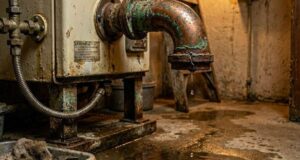
- Sludge build-up: Over time, black iron oxide (sludge) accumulates inside the pipes, choking the flow.
3. Thermostat and Sensor Glitches
Sometimes the mechanical parts are fine, but the brain is confused. A miscalibrated thermostat, a thermostat placed too close to a heat source (like a fireplace or radiator), or a faulty NTC thermistor (the boiler’s internal temperature sensor) can send incorrect data to the control board, triggering rapid shutdowns.
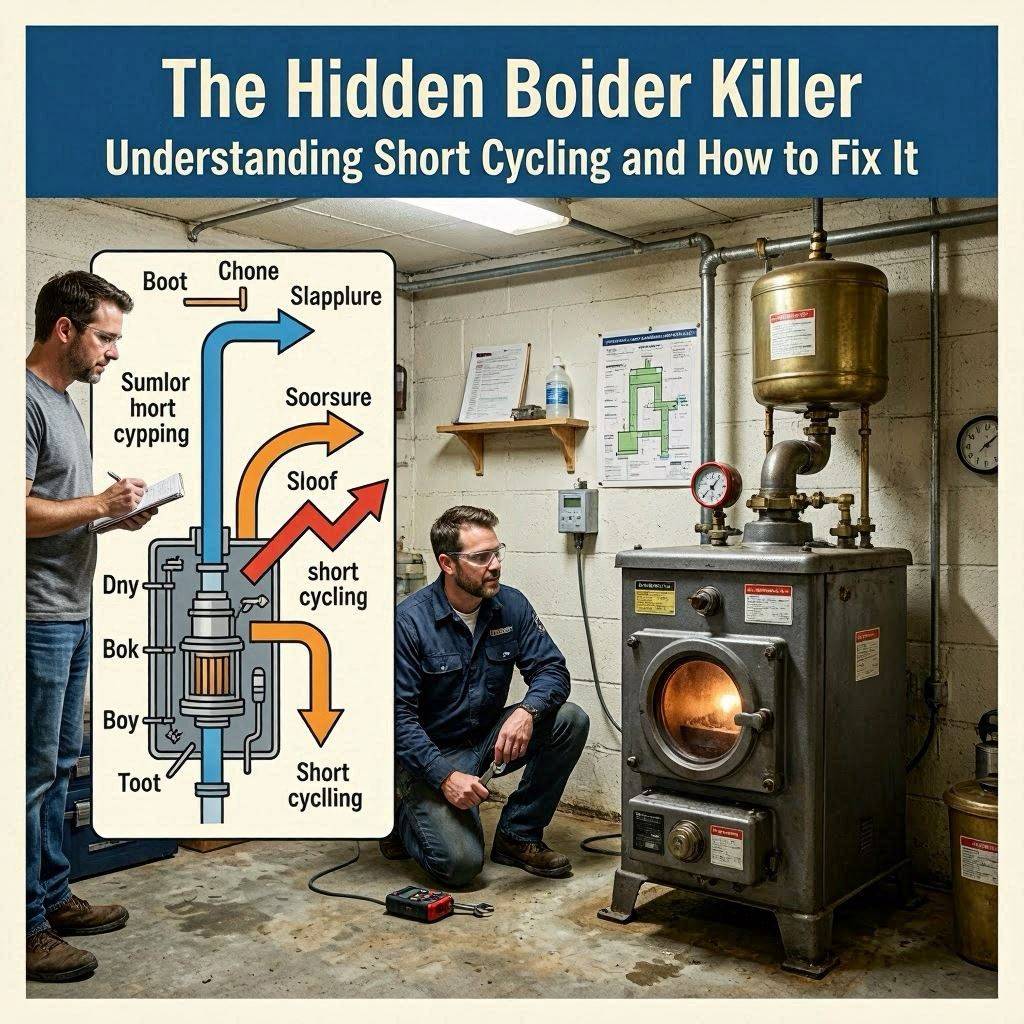
4. Oversized or Blocked Radiators/TRVs
If you have Thermostatic Radiator Valves (TRVs) in every room and most of them are turned off or closed, the boiler suddenly has nowhere to send its heated water. The bypass loop handles some of this, but if the flow rate drops below a critical threshold, the boiler will short cycle to protect itself from overheating.
The Ultimate Guide to Repairing a Boiler That Short Cycles
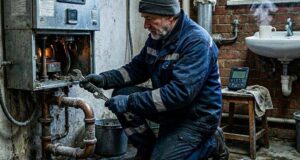
When it comes to repairing a boiler afflicted with short cycling, troubleshooting should always move from the simplest DIY checks to the complex tasks reserved for certified gas engineers.
| Problem Level | Likely Cause | Recommended Action |
| Low | Trapped Air / Low Pressure | Bleed radiators and top up the filling loop. |
| Medium | Thermostat Misplacement | Move thermostat away from direct sunlight or drafts. |
| High | Blocked Heat Exchanger / Sludge | Request a professional system power flush. |
| Critical | Faulty Pump or Oversized Boiler | Component replacement or adjusting boiler firing rate (De-rating). |
Step 1: Check Your System Pressure and Bleed Radiators
If you want to try a quick fix before calling in the cavalry, look at your boiler’s pressure gauge. If it’s sitting below 1.0 bar, your system might lack the water volume needed to transfer heat effectively.
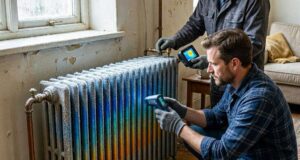
Next, grab a radiator key and bleed your radiators. If air bubbles out instead of water, you’ve just cleared a blockage that could have been restricting water flow and causing your short cycling.
Step 2: Adjusting the Boiler’s Internal Settings (De-Rating)
If your boiler is oversized, you don’t necessarily have to buy a new one. Many modern digital boilers allow a qualified technician to access the installer menu and “de-rate” the heating output. This means a 28kW boiler can be digitally capped to max out at 15kW for heating, allowing it to run longer, smoother, and far more efficiently without short cycling.
Step 3: Deep Cleansing the System
If your boiler is short cycling accompanied by strange banging or whistling noises (known as kettling), you are likely dealing with internal sludge. Repairing a boiler with this level of internal debris requires a professional power flush. A technician will hook up a high-velocity pump to flush specialized chemicals through your system, clearing out the metallic mud and restoring pristine flow rates.
When to Call a Certified Professional
While checking your thermostat settings or bleeding a radiator is perfectly fine for a homeowner, DIY heating repair has its limits. Working with natural gas, high-pressure hot water, and complex electrical circuits is inherently dangerous.
Safety Note: If you suspect the short cycling is due to a faulty gas valve, a broken internal fan, a cracked heat exchanger, or a failing central control board, always contact a licensed, Gas Safe register technician. Attempting to fix internal gas components yourself can void your warranty and jeopardize your home’s safety.
Preventative Maintenance is Key
Boiler short cycling isn’t just an inconvenience; it’s a warning sign. It’s your heating system crying out that something is fundamentally wrong with its balance, flow, or capacity.
By addressing the issue early—whether that means adjusting your radiator valves, rewriting your thermostat schedule, or hiring a pro for repairing a boiler component—you protect your wallet from emergency mid-winter breakdown fees. Keep your flow steady, keep your cycles long, and your home will stay perfectly warm all winter long.