In a modern combination (combi) boiler, space is at a premium. Instead of relying on a massive external water cylinder and a separate cold-water storage tank in your attic, a combi boiler handles everything instantly inside a single chassis. The unsung hero of this compact design is a small, motorized mechanical component known as the diverter valve.
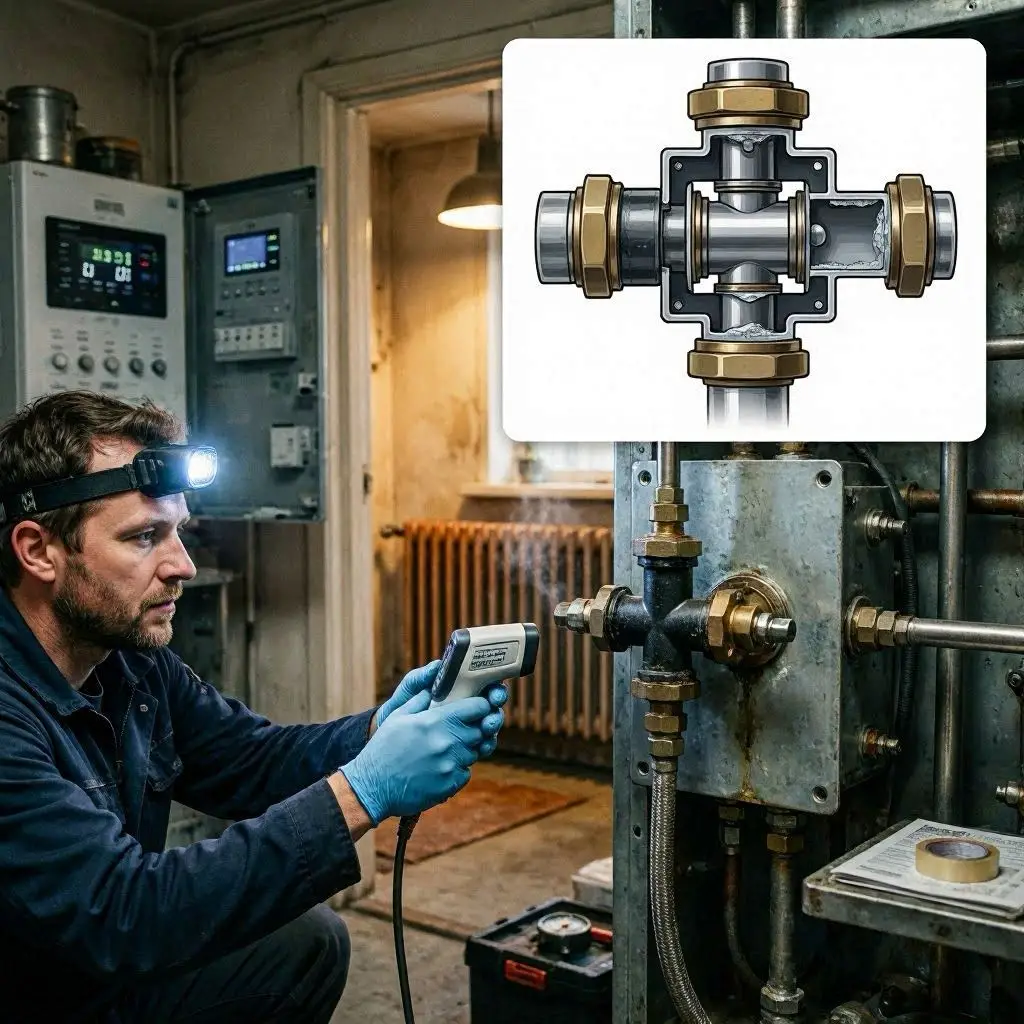
when you turn on a hot tap, the valve opens a internal gate to direct heated water to your heat exchanger. When you turn the tap off, the valve shifts position, sending that thermal energy back out to your radiators.
When this mechanical gate fails, your daily comfort breaks down immediately. Learning how to tell if boiler diverter valve is faulty requires observing the physical behavior of your taps and radiators during specific tests.
Here is how to run an accurate manual diagnosis on a failing valve.
1. The Radioactive Radiator Symptom (The Reverse Flow Test)
The absolute most common warning sign of a failing diverter valve is a cross-contamination of heat between your taps and your home’s radiators.
How to Run the Test
- Turn your wall thermostat completely down so your central heating has been dead cold for at least an hour.
- Walk over to your kitchen or bathroom sink and turn the hot water tap on completely. Let it run for roughly 5 to 7 minutes.
- While the tap is actively running, walk to the nearest radiator panel and place your hands directly onto the copper inlet pipe running into the radiator valve.
The Diagnostic Reading
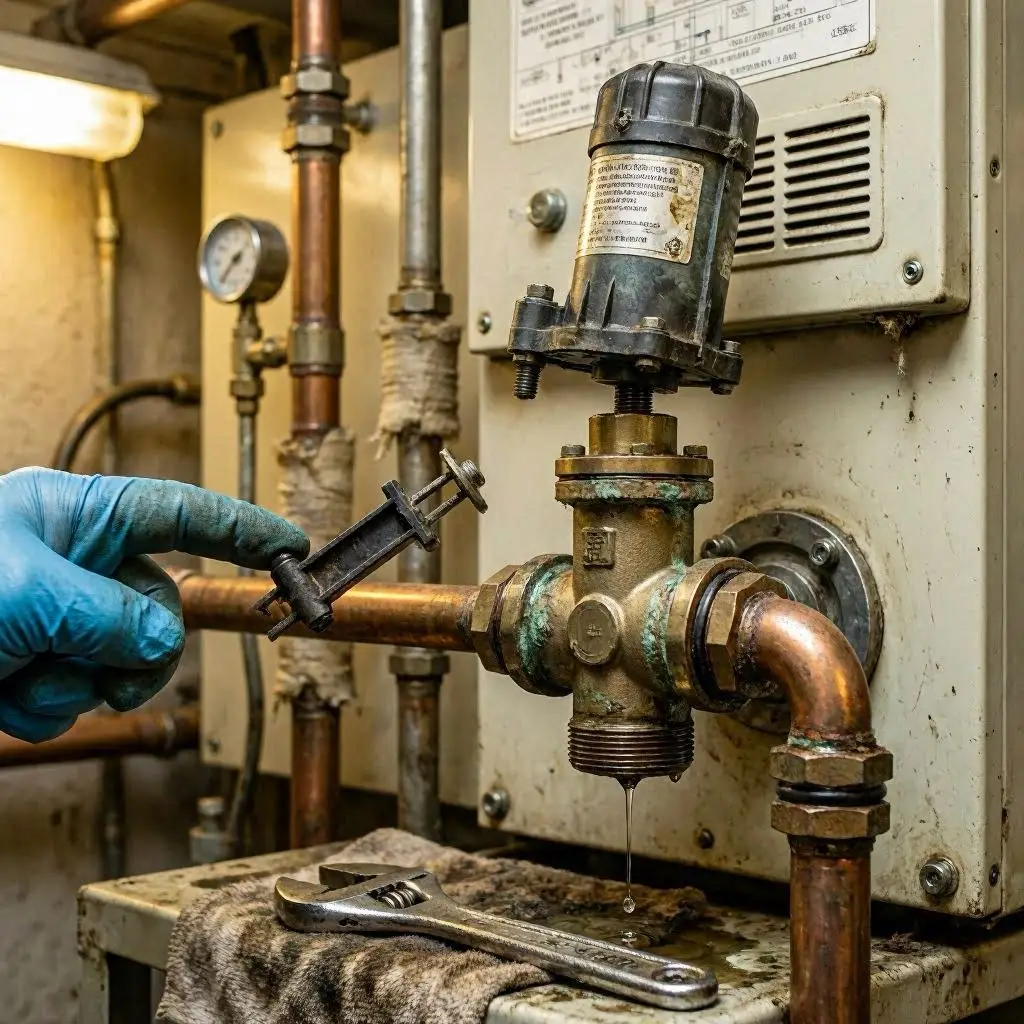
If the radiator pipe or the top edge of the radiator panel starts getting hot while the central heating is supposed to be turned completely off, your diverter valve is failing. The internal rubber seal or metal gate inside the valve has degraded or gotten stuck open, allowing hot water intended for your shower or sink to bleed straight out into your home’s space-heating circuit.
2. Running Taps That Drop to Lukewarm or Cold
Another typical failure pattern occurs when the valve gets physically stuck halfway through its mechanical stroke, or when the electrical actuator motor loses its pushing power.
The Symptom Behavior
You turn on your shower, and the water starts out completely hot. However, within two or three minutes, the temperature plummets down to a lukewarm or stone-cold level.
What is happening here is that the valve is failing to seal off the massive radiator loop. The boiler’s primary heat cell is trying its best to heat your domestic water supply on demand, but because the valve is leaking internally, a large volume of that thermal energy is being stolen by the cold water sitting out in your radiator network. When planning the process of repairing a boiler experiencing these wild temperature drops, replacing the internal valve cartridge is almost always the required fix.
3. Hot Water Works Perfect, But Radiators Stay Stone Cold
This is the exact opposite of the first symptom, and it happens when the internal valve spring or motor gets permanently seized exclusively in the domestic hot water position.
The Diagnostic Indicator
When you call for central heating via your digital wall programmer, you can hear the internal boiler fan kick on and the circulation pump spin up. However, the flame cuts out within 30 seconds, and your radiators remain completely cold.
If you turn on your hot tap right after this happens and receive boiling hot water instantly, it proves the boiler’s gas burner, pump, and main heat cell are operating flawlessly. The breakdown is strictly mechanical: the control board sends an electrical signal to the diverter valve to switch over to the heating loop, but the valve is physically locked in place, keeping the heat confined solely to the internal hot water circuit.
Technical Mapping: Diverter Valve Failure Indicators
To narrow down whether the issue lies within the mechanical valve body or the electrical motor component mounted on top of it, analyze the technical table below:
| Observed System Symptom | Underlying Component Fault | Primary Source Cause | Immediate Action |
| Radiators heat up while running hot shower taps. | Worn internal rubber seals or broken spring mechanism. | Metal gate cannot seal the central heating port tightly. | Clean internal valve body or replace the cartridge. |
| No hot water at taps, but central heating works perfectly. | Valve stuck permanently in the central heating profile. | Actuator motor pin is seized or electrical coil has failed. | Swap out the electronic actuator unit. |
| Boiler makes a loud clicking or grinding noise when turning on a tap. | Stripped internal plastic gears inside the actuator motor. | Mechanical resistance from built-in magnetic sludge buildup. | System needs a manual chemical power flush and a new motor. |
The Root Cause: Why Do Diverter Valves Fail?
The Sludge Accumulation Problem: A diverter valve does not simply fail on its own without reason. The water circulating inside your radiators is full of microscopic black iron oxide particles (rust sludge). Because the diverter valve houses moving metal pins and tight rubber gaskets, this abrasive sludge settles directly inside the valve ports, grinding down the seals and physically jamming the mechanism over time.
If your system does not feature an inline magnetic dirt filter to catch these black particles, your diverter valve is constantly exposed to wear and tear.
Step-by-Step Isolation Protocol for Homeowners
If you suspect your system is suffering from a valve failure, use this logical process to double-check your diagnosis before calling an engineer.
The Method
1.Isolate the External Controls:Control Verification.
Turn off all heating demands on your main programmer. Turn your kitchen hot tap on to maximum flow. Check if the boiler fires up instantly without showing a fault code on the digital display. If it runs continuously but the water temperature varies wildly, the valve body is failing to seal.
2.Check the Main Pipe Profiles:Under-Chassis Test.
Carefully place your hands on the copper pipes under the boiler casing while a tap is running. The domestic hot water outlet pipe should be scorching hot. The central heating flow pipe should remain completely room temperature. If both get hot simultaneously, the mechanical seal has broken.
3.Execute a Complete Hard Power Cycle:Electrical Reset.
Turn off the fused spur isolation switch next to the appliance for 60 seconds, then switch it back on. This forces the internal control board to cycle the actuator motor through its full home-position stroke, which can sometimes temporarily dislodge a minor mechanical jam.
When to Bring in a Certified Heating Professional
While tracking down these symptoms through the pipe temperature test is completely safe to do on your own, the process of repairing a boiler with a failed internal valve requires advanced mechanical handling and certified licensing.
To replace a diverter valve, the internal hydraulic blocks must be fully drained of water volume, the electronic actuator motor unclipped safely from the live circuit, and the internal spring cartridge swapped out using specialized plumbing tools. Because these components sit directly beneath complex electrical wiring looms and close to the gas valve assembly, opening the combustion frame must be left strictly to a registered heating engineer who can verify the water-tight integrity of the system before firing the unit back up.
Determining if your boiler’s diverter valve is faulty comes down to monitoring unexpected heat transfer. If your radiators get warm while you are washing dishes, or if your hot water runs completely cold while your heating operates perfectly, the traffic cop inside your system has failed. Sludge accumulation and aged rubber gaskets are the typical culprits behind this hydraulic bottleneck. Run the reverse flow test, verify the behavior of your pipes, and call in a qualified technician to replace the valve mechanism before total system failure sets in.